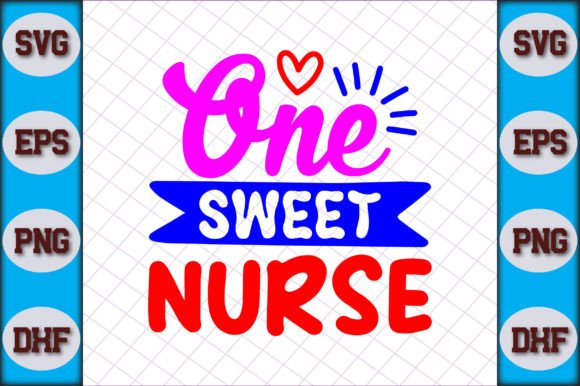
One Sweet Nurse
As a designer who’s stitched hundreds of nurse-themed embroidery files—from graduation gifts to boutique baby sets—I opened One Sweet Nurse expecting charm, but what stood out immediately was its quiet confidence. It doesn’t shout “cute” or lean hard into medical clichés. Instead, it balances soft curves, gentle proportions, and just enough detail to feel intentional—not generic. That matters when you’re stitching for real people: a new mom ordering a nursery pillow, a hospital staff member wanting a subtle sweatshirt emblem, or an Etsy seller building a cohesive spring collection.
A Real Project in Mind: The Embroidered Tote Bag Test
Last week, I used One Sweet Nurse on a natural canvas tote for a local pediatric clinic’s volunteer appreciation gift. No glitter, no rhinestones—just 40-weight rayon thread on medium-weight stabilizer. The design settled beautifully at 3.5 inches wide. Its clean silhouette held up across the slightly uneven weave of the fabric, and the rounded lettering didn’t blur or feather, even where the tote’s gusset curved. Customers commented on how “calm” and “thoughtful” it looked—not like clip art, but like something made with care. That’s the first sign a machine embroidery design earns its place in your working library.
Where It Shines (and Where It Asks for Attention)
One Sweet Nurse is strongest when used intentionally—not as filler, but as focal point. It works exceptionally well for:
- Baby embroidery: On organic cotton onesies or swaddle blankets, its gentle scale reads clearly without overwhelming delicate fabric.
- Sweatshirt embroidery: The balanced weight of the lettering and icon holds up against knit texture, especially with light stabilizing and a slow-stitch setting.
- Embroidered patch: Clean edges and moderate stitch density mean it presses flat and sews cleanly onto denim jackets or scrubs.
- Personalized gift: Paired with a monogram or date in a simple sans-serif, it feels warm and human—not mass-produced.
- Craft business branding: Works in printable mockups for Etsy listings or social previews because its contrast and shape read well at thumbnail size.
But it’s not universally forgiving. On thin or highly stretchy fabrics—like lightweight jersey tees or ribbed baby caps—test first. The design’s slight curvature and modest interior details (think: tiny heart accents or subtle shading lines) can shift if tension or stabilizer isn’t dialed in. On dark fabric, avoid pale pastel threads unless you’re adding underlay; the satin stitch areas need contrast to stay legible after washing. And while it fits neatly in a 4x4 hoop, pushing it beyond 4.2 inches risks losing definition in the finer strokes—especially if your machine’s default fill stitch density runs high.
What It Says About Your Finished Product
When customers see One Sweet Nurse stitched on a kitchen towel or apron, they don’t just register “nurse.” They register intention. The design’s rhythm—neither too tight nor too loose—suggests craftsmanship, not automation. That builds trust. For Etsy sellers, that translates to fewer “Is this hand-stitched?” questions and more repeat buyers who recognize your consistent aesthetic. For small shop owners, it supports brand cohesion: pair it with coordinating tea towels, tote bags, and embroidered patches, and suddenly you’ve got a mini-collection—not just a one-off graphic.
It also performs well in holiday embroidery contexts—think Valentine’s Day scrubs accessories or Nurses Week thank-you gifts—because it avoids seasonal tropes. It’s timeless enough for year-round use, yet distinctive enough to stand apart from overused stock motifs.
Practical Designer Notes Before You Stitch
Before adding One Sweet Nurse to your next custom apparel order or digital product bundle, run these checks:
- Test on scrap fabric first—especially if using textured weaves, knits, or blends. Note how the satin stitch flows and whether corners crisp cleanly.
- Review stitch density. If your software allows, open the embroidery file and scan for dense fill areas near curves or letter junctions. Overly tight fills can cause puckering on lightweight fabric.
- Confirm hoop size compatibility. While it scales well, verify your target size fits comfortably within your machine’s standard hoop—no last-minute resizing mid-project.
- Inspect small details in both black-and-white and color mockups. Does the heart stay visible? Do letters retain separation at 3 inches?
- Check thread color contrast on both light and dark backgrounds. A soft mint thread may vanish on sage linen; a charcoal gray pops on cream but fades on navy.
- Use appropriate stabilizer. Medium cutaway works best for knits and structured items like tote bags; tear-away suffices for stable cottons and linens.
- Verify licensing. Since One Sweet Nurse is listed as a Graphics product in the Crafts category, confirm whether it’s cleared for commercial embroidery use—including finished products sold on Etsy or at craft fairs. When in doubt, contact the seller directly.
This isn’t just another SVG download. One Sweet Nurse is a considered design asset—one that earns its place in your embroidery project queue because it stitches reliably, presents professionally, and connects emotionally. It won’t carry every product you make, but when the context is right—a baby gift, a boutique apron, a thoughtful nurse appreciation item—it adds quiet value that customers feel, even if they can’t name why.
That’s the mark of good design: not flash, but fit. Not volume, but voice. And One Sweet Nurse has both.