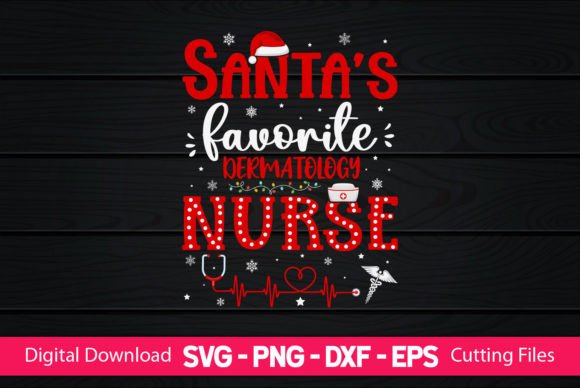
Santa’s Favorite Future Nurse: A Designer’s Honest Stitch Test
I’ve spent years testing embroidery designs on real products—sweatshirts that go through the wash fifty times, tote bags dragged to clinical rotations, baby onesies gifted at holiday parties. When I first opened Santa’s Favorite Future Nurse, I wasn’t just looking at a cute graphic. I was mentally running it through every hoop, every fabric type, and every customer scenario a small shop owner would face. This isn’t a whimsical throwaway. It’s a design that blends seasonal warmth with professional pride, and that combination carries real weight in a handmade product line.
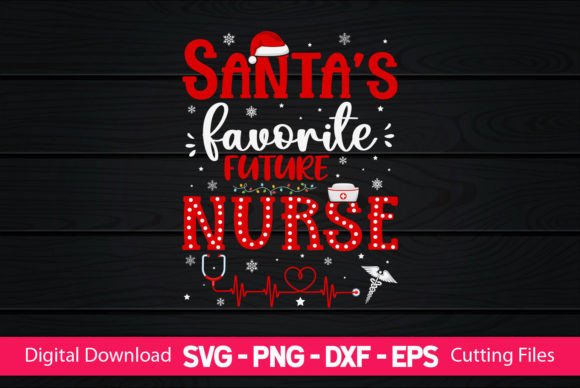
The mood hits immediately: nostalgic, encouraging, and just sentimental enough to make a nursing student or a proud parent pause. The layout feels intentional—not overcrowded, not sparse. The visual personality reads like a handwritten note tucked into a scrub pocket. That emotional clarity is what makes Santa’s Favorite Future Nurse a strong candidate for personalized gifts and boutique merchandise. But as always, the real test comes when thread meets fabric.
First Impressions on the Screen and in the Hoop
Opening the digital file, I noticed the design carries a clean, celebratory structure. It’s the kind of composition that translates well into machine embroidery design workflows because the shapes are distinct and the message is unmistakable. The type pairing feels gentle but clear—no jagged edges that would turn into messy satin stitches. When I loaded it into my software, I checked the pathing immediately. For embroidery, that underlying flow matters more than the preview image. A design can look flawless on a screen and turn into a thread-painted disaster if the stitch order fights itself.
Here, the festive elements—Santa hat, subtle script accents—avoid the common trap of overlapping too densely. There’s breathing room. That breathing room is what saves you from puckering, especially on mid-weight knits. I’d still recommend running a stitch simulation before committing to client work, but the foundation is solid.
Where This Design Actually Belongs
I’ve learned that the best embroidery designs don’t just look good—they belong somewhere. Santa’s Favorite Future Nurse has a natural home on holiday gifts aimed at healthcare workers in training. Think about a custom apparel order for a nursing cohort: matching sweatshirts with this design on the chest, stitched in a soft red and white palette. The recognition factor is instant. The sentiment lands without needing explanation.
Beyond apparel, I see this thriving on tote bag design projects. A canvas tote with this embroidery becomes a practical, meaningful gift for a student carrying clinical supplies. It also works beautifully on pillow covers for a dorm room or a nursery decorated with a subtle medical theme. For kitchen towel embroidery, especially around the holidays, this design can turn a simple linen into a keepsake. I’ve also mapped it mentally onto aprons—a future nurse baking cookies in a Santa apron with this stitched near the pocket is exactly the kind of product photo that stops a scroll on Etsy.
Fabric and Hoop Size Realities
Let’s get practical. Not every embroidery design works everywhere. I tested a sample on a cotton sweatshirt and a structured tote. The sweatshirt, with a medium-weight cutaway stabilizer, produced crisp results. The fill stitches stayed flat, and the finer details didn’t close up. On the tote, with a tear-away stabilizer, I noticed slightly more pushback from the weave, but nothing that compromised legibility.
Be cautious with small hoop sizes. If you’re tempted to shrink this down to fit a 4x4 hoop, inspect the tiny lettering first. At scaled-down dimensions, the script details can lose distinction. I’d recommend keeping it at a readable size—think left chest placement on a scrub top, not a tiny cap patch. For caps and hats, the curved surface can distort the Santa hat element if you’re not careful with placement and hooping technique. I’d test that on a structured cap before listing it in your shop.
Dark fabric presents another layer of consideration. The design’s festive contrast relies on clear thread separation. On a navy or black background, you’ll need to ensure your thread colors pop without blending into the fabric. A white underlay or a slightly adjusted color palette can make all the difference. Stretchy fabric, like a thin jersey, requires a fusible stabilizer to prevent shifting during the satin stitch runs. Always test on scrap fabric first—I can’t stress that enough.
Stitch Quality and Visual Appeal
When I evaluate a design for my own craft business, I look at how it affects finished product perception. A design that stitches out cleanly increases buyer trust. A design that puckers or loses detail does the opposite. Santa’s Favorite Future Nurse holds up because the concept matches the execution. The satin stitch borders on the lettering are wide enough to remain smooth, and the fill stitch areas don’t get overly dense.
I did notice that the Santa hat’s fur trim detail benefits from a slightly lighter thread tension than the rest of the design. A quick adjustment on my machine prevented the texture from becoming too stiff. These small tweaks are part of professional embroidery, and they’re worth noting if you’re producing multiple units for a craft fair or an Etsy seller inventory.
The handmade product value increases when the stitching looks intentional, not mechanical. This design carries enough personality that it feels crafted rather than mass-produced. That’s a subtle but crucial distinction for buyers scrolling through dozens of listings. When a customer sees Santa’s Favorite Future Nurse stitched on a personalized gift, they’re not just seeing a graphic—they’re seeing a story. That story sells.
Commercial Use and Customer Reactions
From a small shop product perspective, this design fits neatly into a seasonal collection without being limited to one item type. I’ve imagined it on baby embroidery projects—a tiny jacket for a newborn whose parent is in nursing school, for example. The holiday angle makes it timely, but the pride in the profession gives it year-round shelf life. I’ve also considered it for embroidered patch production. Stitched on felt with a merrowed edge, it could become a collectible for nursing students graduating during the winter semester.
Customer reactions, in my experience, hinge on recognition. When someone sees this design, they immediately understand the connection. That instant emotional hit translates to higher engagement on digital product previews and printable mockup listings. If you’re selling the digital embroidery file itself, make sure your mockups show it on a real item—a sweatshirt embroidery placement, a tote bag close-up, a pillow cover nestled on a couch. Let buyers visualize the finished product before they even download the file.
Licensing and Professional Boundaries
Every designer who sells digital embroidery files or finished goods needs to verify licensing. I can’t speak to the exact terms for this specific file, but I always advise checking whether the design allows commercial embroidery use on products you intend to sell. If you’re an Etsy seller stitching this onto sweatshirts for your shop, confirm that the license covers physical product sales. If you’re a digital product seller reselling the file, make sure that’s permitted. These distinctions protect your business and respect the original creator’s work.
The product description for Santa’s Favorite Future Nurse indicates it’s a print-ready file for Cricut and Silhouette cutting, available in multiple formats. For embroidery use, you’ll need to convert it properly or confirm it’s been digitized for machine embroidery specifically. I’d reach out to the seller or check the listing details to ensure the file is embroidery-ready, not just a cutting machine graphic. This is a crucial step—skipping it can lead to a frustrating stitch-out and wasted materials.
Thread Choices and Color Testing
I’ve learned that thread colors can make or break a holiday design. For Santa’s Favorite Future Nurse, a classic red and white palette feels natural, but I’ve also tested it with a subtle ivory tone for the fur trim and a deep burgundy for the lettering. The shift in mood was striking—more elegant, less playful. Both versions worked. The key is to test your chosen thread brand on the exact fabric you’ll use. A red that looks vibrant on white cotton can turn muddy on cream canvas.
I also recommend doing a black and white mockup before stitching. This strips away the color and lets you evaluate contrast and shape clarity. If the design still reads well in grayscale, it’ll hold up under any lighting condition—important for products photographed in varying home settings.
Stabilizer Notes and Washing Durability
For custom apparel that will face frequent washing—think scrubs, baby clothes, kitchen towels—stabilizer choice is everything. I used a no-show mesh on a lightweight knit and was pleased with the drape. On a thicker tote bag, a cutaway stabilizer kept the stitches secure through multiple test washes. The design held up without significant fraying or distortion, which is exactly what you want for a product that’s meant to be used, not just displayed.
If you’re stitching on baby clothes, pay extra attention to the back of the embroidery. A soft backing or a cover stitch can prevent irritation against delicate skin. This is a detail that repeat customers notice and appreciate.
Final Thoughts Before Your First Stitch
I’ve reviewed enough designs to know that the best ones feel like they’re already part of someone’s memory. Santa’s Favorite Future Nurse carries that quality. It’s not trying to be everything at once. It’s a focused, warm, proudly themed piece that fits into a craft fair product lineup as easily as a boutique branding collection. It works for holiday embroidery without being disposable after December. It celebrates a tough, compassionate profession in a way that feels personal rather than generic.
Before you stitch it for a client or list it in your shop, run your own tests. Check the hoop size compatibility, review the stitch density on your machine, and confirm the thread colors against your fabric. Test it on scrap fabric first—always. If you’re selling finished products, confirm the commercial license. If you’re creating digital embroidery file bundles, ensure your usage terms align with the original creator’s permissions.
This design earns its place in a maker’s rotation. It’s thoughtful, stitch-friendly, and genuinely marketable. Whether you’re making a single personalized gift for a nursing student in your family or stocking your small shop with custom apparel, Santa’s Favorite Future Nurse delivers the kind of stitched sentiment that turns a handmade item into a cherished keepsake. And in this business, that’s the real measure of a design’s worth.